
7 to 1 How AI-Driven Resume Screening Will Transform Recruitment
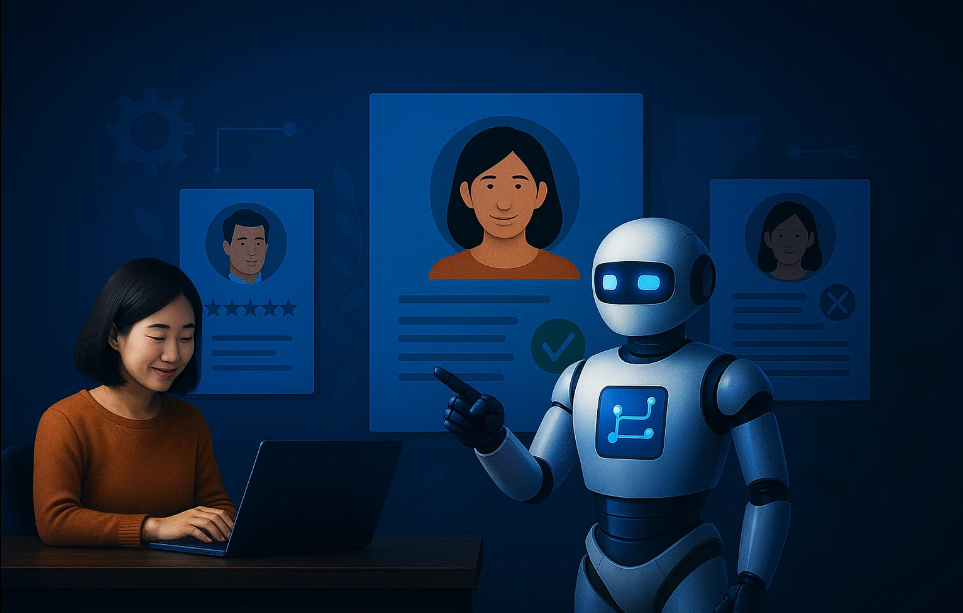
Handling a large number of job applications has become a major part of recruiting today. On Monday mornings, HR teams often face hundreds of resumes for important positions. They need to move quickly but also make careful choices.
Manually reviewing each resume-a task that typically takes 7 to 10 hours for every job opening, according to 2025 workforce data-slows down the hiring process and makes it easier to miss out on great candidates.
The Growing Challenge of Modern Recruitment
Today's hiring landscape has fundamentally changed. According to the Global Talent Intelligence Survey 2025, application volumes have increased by 42% since pre-pandemic times. This surge comes from several key shifts in how people work and apply for jobs:
- The growing shift toward hybrid and remote work models
- More freelancers seeking stable employment
- Online application platforms streamlining the process to apply for several roles
- A wide range of global talent pools now accessible to employers
The result? Manual resume screening has become the biggest bottleneck in hiring pipelines. Recent research shows that 78% of hiring delays happen during the initial screening stage-a clear sign our traditional approaches simply can't keep pace with today's demands.
What Manual Screening Is Really Costing You
When we talk about the cost of screening resumes, we're not just talking about time:
- Time Investment: Reviewing 500 resumes manually takes 7-10 hours for a single position
- Quality Issues: Human concentration significantly declines after reviewing 50-70 resumes
- Inconsistency: Our natural biases influence decisions, especially when we're tired
- Lost Talent: In today's market, where 63% of top candidates accept offers within two weeks, slow processes mean missing out on great people1
A Better Approach to Candidate Screening
Advanced screening solutions are redefining how organizations find the right candidates. Unlike older systems that simply searched for keywords, today's tools actually understand resume content in context-much closer to how we as HR professionals read applications3.
How Today's Smart Screening Actually Works
These advanced tools bring several key improvements to the screening process:
- Context Matters: The technology reads resumes like a human would, understanding variations in terminology and recognizing when different words mean the same thing3
- Looking at the Whole Person: Rather than rigid keyword requirements, it creates a complete picture of what each candidate brings to the table
- Reducing Unconscious Bias: Advanced systems can anonymize personal details like names, ages, and locations to focus purely on qualifications3
- Connecting the Dots: The technology can link candidate skills to job requirements even when the exact terminology differs3
From 7 Hours to 1: The Real Impact
The efficiency gains are remarkable, but what exactly changes when you implement smart screening?
Process Element | Manual Approach | With Smart Screening | Improvement |
Time for 700 Resumes | 9 hours | 60 minutes | 85% reduction |
Matching Accuracy | ~60% | 95%+ | 35% increase |
Bias Risk | High | Low (Anonymized) | Significant reduction |
Fatigue Factor | Severe after 70 resumes | None | Eliminated |
Cost per Application | Higher (per hour worked) | Significantly lower | Cost-effective |
DEI Compliance | Inconsistent | Trackable & measurable | Improved accountability |
Reporting Capability | Minimal | Comprehensive | Better insights |
Real Results That Matter
Organizations adopting these screening tools report transformative outcomes, including 51% more relevant shortlists and 29% faster hiring cycles. These aren't just efficiency improvements-they're about finding hidden talent by analyzing transferable skills and contextual experience that we might miss during manual reviews.
What Makes a Great Screening Solution? Here's What to Check
If you're considering implementing a screening solution for your organization, here are the essential capabilities that will make the biggest difference:
1. Smart Resume Understanding
Look for systems that can transform unstructured resume information from various formats (PDF, Word, images) into organized, searchable candidate profiles within seconds. The technology should automatically recognize education, skills, work experience, and certifications.
2. Contextual Skill Matching
The best solutions understand skills in context-recognizing that someone with the title "Growth Marketing Specialist" likely has relevant expertise for a "Digital Marketing Manager" position, even without exact keyword matches.
3. Built-in Bias Protection
Choose systems with anonymization features that hide personal identifiers during initial screening, ensuring candidates are evaluated solely on qualifications-this supports your diversity and inclusion goals.
4. Transparent Candidate Ranking
Effective tools provide clear, evidence-based explanations for candidate rankings, helping you understand why certain applicants were recommended over others.
5. Beyond Just Resume Screening
As Dave Ulrich might point out, modern HR is about creating integrated approaches. The best solutions now combine document screening with skills assessments and preliminary interviews to create a more comprehensive evaluation process.
Beyond Efficiency: Creating Better Hiring Outcomes
While saving time is valuable, smart screening delivers several additional benefits that transform the entire recruitment experience:
Uncovering Hidden Talent
Like what Josh Bersin emphasizes in his research, these tools excel at identifying candidates with transferable skills that might not be obvious in a quick manual review. By looking at skills in context rather than through rigid keyword matching, you can discover promising candidates that traditional methods would likely miss.
Building More Diverse Teams
As Laszlo Bock demonstrated at Google, technology can help reduce bias in hiring. By anonymizing demographic information during initial screening, these tools help organizations build more diverse teams. Recent studies show companies using anonymized screening have seen up to 30% improvement in diversity hiring outcomes3.
Improving the Candidate Experience
With growing competition for talent, candidate experience now plays a pivotal role. Smart screening enables:
- Faster application processing
- More responsive communication
- Reduced "ghosting" complaints
- Fair evaluation based on actual skills rather than referrals
A recent Candidate Expectations Survey found that 78% of job seekers prefer companies with transparent, technology-enhanced hiring processes that provide clear, timely feedback.
Looking Forward: What's Next in Recruitment Technology
The future of talent screening technology is one of ongoing innovation:
Predictive Performance Insights
Next-generation systems will not only identify qualified candidates but predict their likely performance and retention based on patterns from thousands of successful placements.
Systems That Learn and Improve
Tools that get better with each hiring cycle, learning from successful placements to refine their understanding of what makes someone successful within your specific organizational context.
Seamless Talent Development
As William Tincup might emphasize, the candidate experience doesn't end at hiring. The same technology that identifies candidates will help plan their career progression after they join, creating a seamless talent management approach from recruitment through development.
Transforming Your Hiring Approach for Today's World
In a hiring environment where application volumes continue to increase and top talent is secured within days, smart screening technology has evolved from a nice-to-have to a necessity. By reducing resume review time by 85%, minimizing unconscious bias, and improving hiring quality, these tools provide organizations with a clear advantage in attracting and securing the best talent.
For recruitment teams still dedicating full days to manual resume reviews, the transformation from 7 hours to 1 represents not just time saved, but a fundamental shift toward more strategic, effective, and human-centered hiring practices. As technology handles the initial screening, we can focus on what we do best-building meaningful connections and creating teams that drive organizational success.