
How to Lower Candidate Offer Ghosting by Strategically Enhancing Candidate Engagement
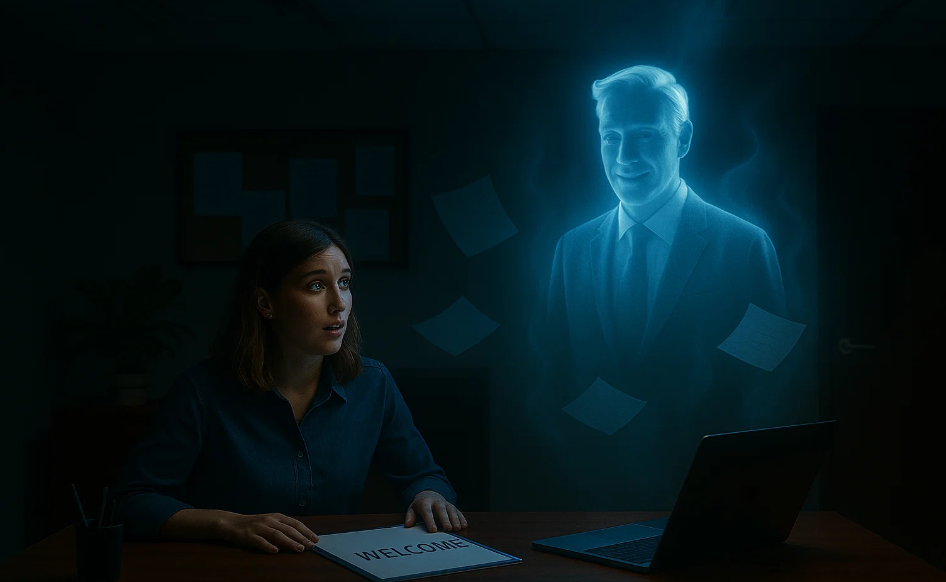
In today's competitive talent landscape, a concerning trend has emerged that frustrates hiring teams worldwide: candidate ghosting. This phenomenon—where candidates suddenly cease all communication, fail to show up for interviews, or even accept offers only to disappear before their start date—has reached alarming levels.
According to recent data, 71% of workers admit they ghost during interviews, while 62% say they'll continue this behavior in future job searches. Even more concerning, 25% of employers report that new hires simply don't show up on their first day. This article explores practical, evidence-based strategies to reduce ghosting by enhancing candidate engagement throughout the recruitment journey.
The Rising Tide of Candidate Ghosting
Candidate ghosting isn't just an occasional inconvenience—it's becoming a systemic challenge. Indeed's recent surveys reveal that 62% of job seekers plan to ghost during future job searches, up significantly from 37% in 2019. This trend carries substantial costs: wasted recruitment resources, extended hiring timelines, and potential damage to employer brand.
According to the Society for Human Resource Management, the average cost-per-hire is $4,129, making ghosting a significant financial concern. What's particularly noteworthy is the shifting attitude among candidates. A striking 70% of U.S. job seekers now feel it's "fair" to ghost employers. This perception may stem partly from candidates' own experiences—35% report employers failed to acknowledge their applications in 2023, while 40% were ghosted after second or third-round interviews. The problem has clearly become bidirectional, creating a cycle that damages trust throughout the recruitment ecosystem.
Understanding Why Candidates Ghost: Root Causes
Before implementing solutions, we must understand why candidates disappear. Research reveals several primary drivers:
External Factors
The most common reason candidates ghost is receiving a better offer elsewhere. In today's candidate-driven market, top talent often entertains multiple opportunities simultaneously. Without strong engagement, candidates easily pivot to more attractive options.
Process Friction
The data is clear: 92% of candidates drop off before completing applications, and 72% leave if the process takes too long. Prolonged interview durations, excessive assessment stages, and poor communication create significant barriers to continued candidate interest.
Experience and Perception Issues
Many candidates ghost due to negative interviewer experiences, poor cultural fit impressions, or misaligned expectations about compensation and benefits. Others simply avoid the confrontation of declining offers directly.
Strategic Communication: Your First Line of Defense
Effective communication forms the foundation of any anti-ghosting strategy:
Set Clear Expectations Early
Transparency about your hiring process, timeline, and what candidates can expect at each stage reduces uncertainty. Ideally, share this information in your job postings, as companies like Ideagen have successfully implemented. This approach allows candidates who aren't comfortable with your process to self-select out early rather than disappearing midway.
Establish Regular Touchpoints
An alarming 96% of job applicants want confirmation their application has been received, yet only 8% say they always get this. Create an automated system that acknowledges applications and provides status updates. For candidates in active consideration, establish a regular communication cadence—even if just to say "you're still in the running."
Use Multiple Communication Channels
If a candidate becomes unresponsive, consider diversifying your outreach. Research shows that following up through different channels (email, phone, LinkedIn) can re-engage candidates who might have missed communications. This demonstrates your genuine interest while providing multiple opportunities for response.
Streamlining the Candidate Experience
A frictionless candidate journey significantly reduces ghosting behavior:
Simplify Your Application Process
Organizations that streamline candidate applications achieve 30% better candidate retention. Evaluate your process for unnecessary steps, excessive form fields, or technical barriers. Enable mobile-friendly applications with auto-populate features wherever possible.
Accelerate Your Timeline
The average time-to-hire of 41 days is often too long in today's market. Look for opportunities to compress your hiring timeline without sacrificing quality. Consider parallel rather than sequential interview stages, and use technology to reduce scheduling delays.
Create Memorable Interactions
Get candidates excited about your company through compelling content and experiences. Research shows 90% of candidates research companies before applying. Showcase your culture through employee testimonials, virtual office tours, and day-in-the-life videos. These touchpoints build emotional connection and investment in your opportunity.
Leveraging Technology for Enhanced Engagement
Modern technology offers powerful tools to combat ghosting:
Implement AI-Driven Engagement
Companies using AI-driven candidate engagement platforms have reduced ghosting rates by up to 40%. These systems provide personalized updates, automated reminders, and instant responses to queries, maintaining connection throughout the process.
Use Predictive Analytics
Leverage data to identify candidates at risk of ghosting. According to LinkedIn, 68% of recruiting professionals believe AI helps them better source, screen, and nurture candidates. By spotting warning signs early, you can provide targeted interventions before candidates disengage.
Deploy Candidate-Friendly Assessment Tools
Remote assessment platforms allow candidates to showcase skills on their schedule, demonstrating respect for their time while maintaining engagement. These tools provide flexibility beneficial for candidates in different time zones or with complex schedules.
Begin Pre-Boarding Immediately After Offer Acceptance
The period between offer acceptance and start date represents a critical ghosting risk:
Connect Candidates with Future Teams
Organizations with structured onboarding processes experience a 69% increase in employee retention. Don't wait until day one—introduce new hires to team members immediately after offer acceptance. This creates social bonds that make it harder to ghost.
Invite to Company Events
Include soon-to-join employees in company events, virtual town halls, or team gatherings before their official start date. These experiences foster belonging and excitement while reducing the likelihood of accepting competing offers.
Provide Pre-Start Resources
Send welcome packages, company reading materials, or orientation information that helps candidates envision themselves in the role. The more invested they become in your organization, the less likely they are to disappear.
Conclusion: A Holistic Approach to Reducing Ghosting
Candidate ghosting may be increasing, but organizations that take a strategic approach to engagement can significantly mitigate its impact. By understanding the root causes, implementing robust communication practices, streamlining the candidate experience, leveraging technology effectively, and beginning pre-boarding early, talent acquisition teams can build stronger candidate relationships that discourage ghosting behaviors.
The most successful organizations view anti-ghosting measures not as isolated tactics but as elements of a comprehensive candidate experience strategy. This approach not only reduces ghosting but enhances employer brand, improves quality of hire, and creates competitive advantage in the talent marketplace. In today's challenging hiring environment, organizations that master candidate engagement don't just fill roles—they build lasting relationships that transform their talent acquisition outcomes.